
[:en]Senegal, the 2nd largest economy in the WAEMU area[:]

[:en] Senegal is the second largest economy in the WAEMU zone after Côte d’Ivoire. The Emerging Senegal Plan (PSE) initiated in 2014 to transform the country into an emerging economy by 2035, plays a major role in accelerating economic growth. Thanks to the implementation of the PES, Senegal has recorded remarkable economic performance in recent […]
[:en]Niger: economic growth driven by the primary sector[:]

[:en] Niger, the world’s fourth largest uranium producer, was ranked 131st among 190 countries in the World Bank’s Doing Business Report, an increase of eleven (11) places compared to the previous year when the country was ranked 143rd. The reforms relating to the improvement of the business climate adopted since 2010 have thus borne fruit. […]
[:en]Mali: an economy driving by agriculture, mining and trade [:]
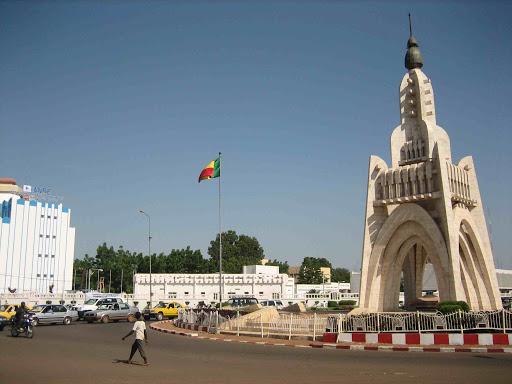
[:en] One of the top five cotton and gold producing countries in Africa, Mali is a landlocked country in West Africa and the second largest state in West Africa. It is characterised by the extreme youth of its population, with almost half (48.8%) of the Malian population under the age of 15. After the crisis […]
[:en]Guinea-Bissau: an encouraging economic situation[:]
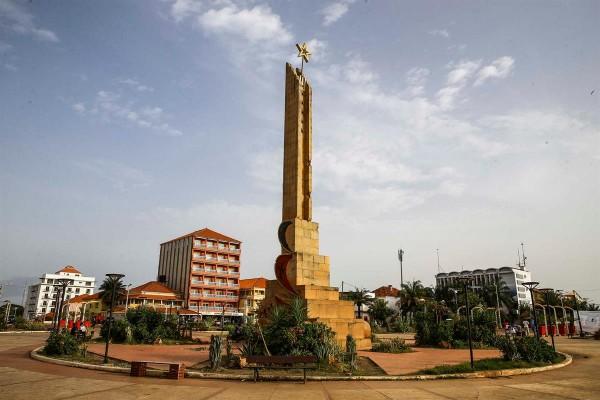
[:en] Guinea-Bissau, the only Portuguese-speaking country in the UEMOA zone, covers an area of 36,125 km² with a population of 1,604,561. The country’s economy is highly dependent on the political climate, the performance of the cashew sector and foreign aid. With an estimated GDP growth rate of 4.5% in 2019, Guinea Bissau, after a period […]
[:en]Côte d’Ivoire: one of the fastest growing countries in sub-Saharan Africa[:]

[:en] Côte d’Ivoire has maintained a good economic dynamic in 2019. It recorded real GDP growth of 6.9% for 2019. This performance makes it the leading economy in the WAEMU. Moreover, the Ivorian economy remains one of the most dynamic economies in Sub-Saharan Africa, where the average growth rate was 3.7% in 2019 according to […]
[:en]The tertiary sector, the dominant sector of the Burkina Faso economy[:]
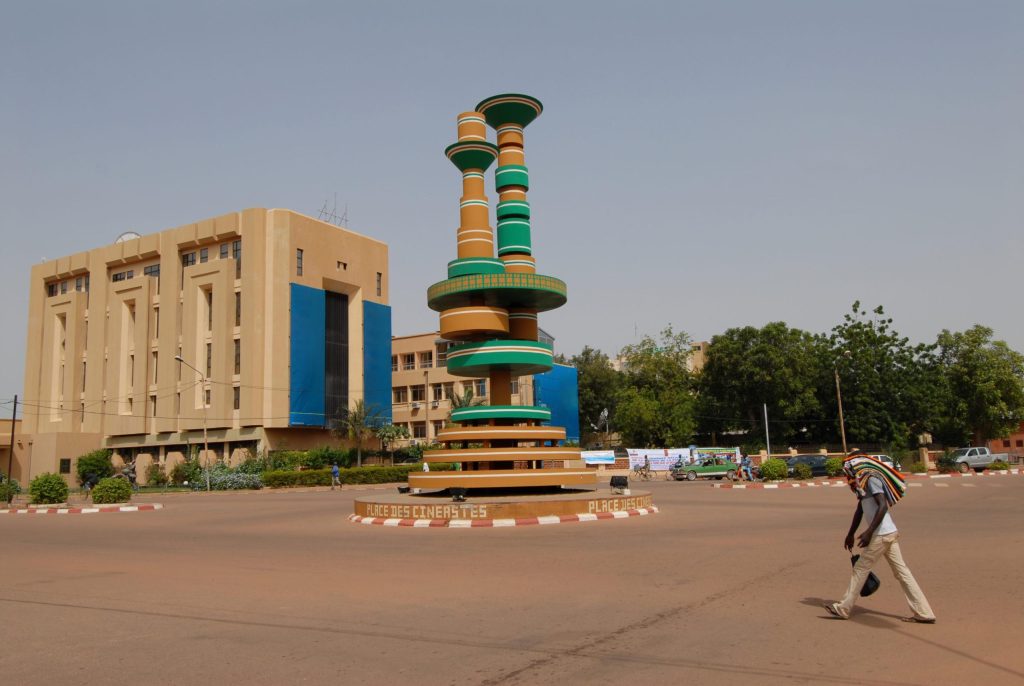
[:en] Burkina Faso, literally the « Country of honest people », has experienced dynamic and regular economic growth since the slowdown recorded in 2015. Economic growth accelerated in 2016 thanks to the political normalization, favorable rainfall and the return of investor confidence. The growth rate of the country of men of integrity rose from 5.9% in 2016 […]
[:en]Benin: Africa’s leading cotton producer[:]

[:en] Over the period 2017-2019, cotton production increased by 13.4%, i.e. a record production of 678,000.3 tonnes achieved during the 2018-2019 crop year compared to 597,573.2 tonnes during the 2017-2018 crop year. This performance has enabled Benin to become the leading cotton producer in Africa. Production forecasts for the 2019-2020 crop year are 732,273 tonnes. […]
[:fr]Situation économique post COVID-19 dans la zone UEMOA, la relance se confirme ![:]
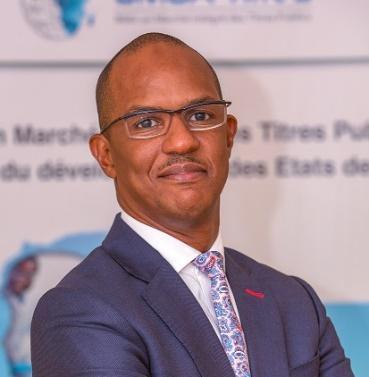
[:fr]La pandémie de la COVID-19 a chamboulé l’humanité sur tous les plans depuis son apparition dans la ville de Wuhan en décembre 2019. Socialement, la COVID-19 a contribué davantage à éloigner les hommes contraints au confinement pendant de nombreux mois. Economiquement, elle a eu les pires conséquences sur la production, les emplois et a compromis […]
[:fr]UMOA : Rôle des Obligations de Relance (OdR) dans la relance économique post COVID-19 [:]

[:fr]Dans l’optique d’atteindre les niveaux de croissance antérieurs à la pandémie de la COVID-19, les Etats n’ont de cesse de mettre en place des plans de relance ambitieux qui nécessitent des financements adaptés. Pour accompagner cette relance économique, le Marché des Titres Publics de l’UEMOA animé par UMOA-Titres en partenariat avec la BCEAO a mis […]
[:en]WAMU Government Securities Market – its technological innovations – its strategy for attracting investors and its growth prospects in the face of the global health context[:]
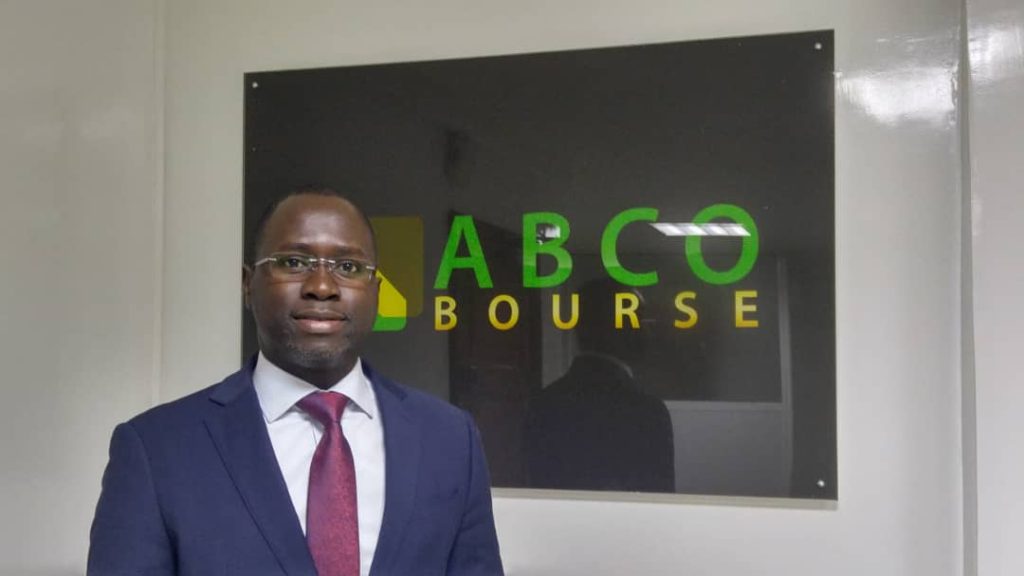
[:en]CLEMENT NDIAYE, GENERAL MANAGER OF ABCO BOURSE THE WAMU GOVERNMENT SECURITIES MARKET: ITS TECHNOLOGICAL INNOVATIONS, ITS STRATEGY FOR ATTRACTING INVESTORS AND ITS GROWTH PROSPECTS IN THE FACE OF THE GLOBAL HEALTH CONTEXT The stock brokerage company ABCO Bourse was founded in 2015 by young Senegalese talents with careers in finance and banking systems in North […]